Understanding the Home Robot Revolution in 2026
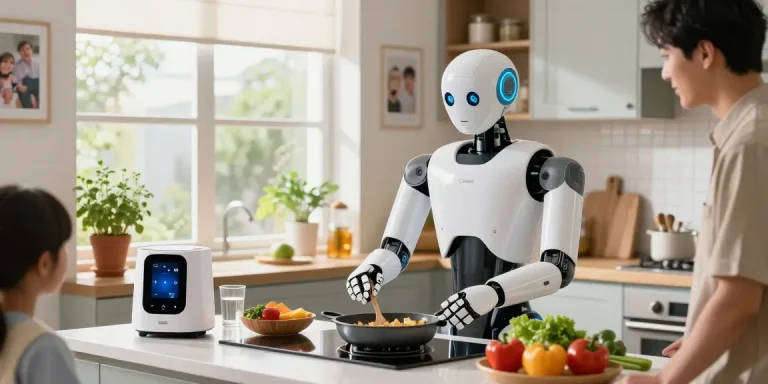
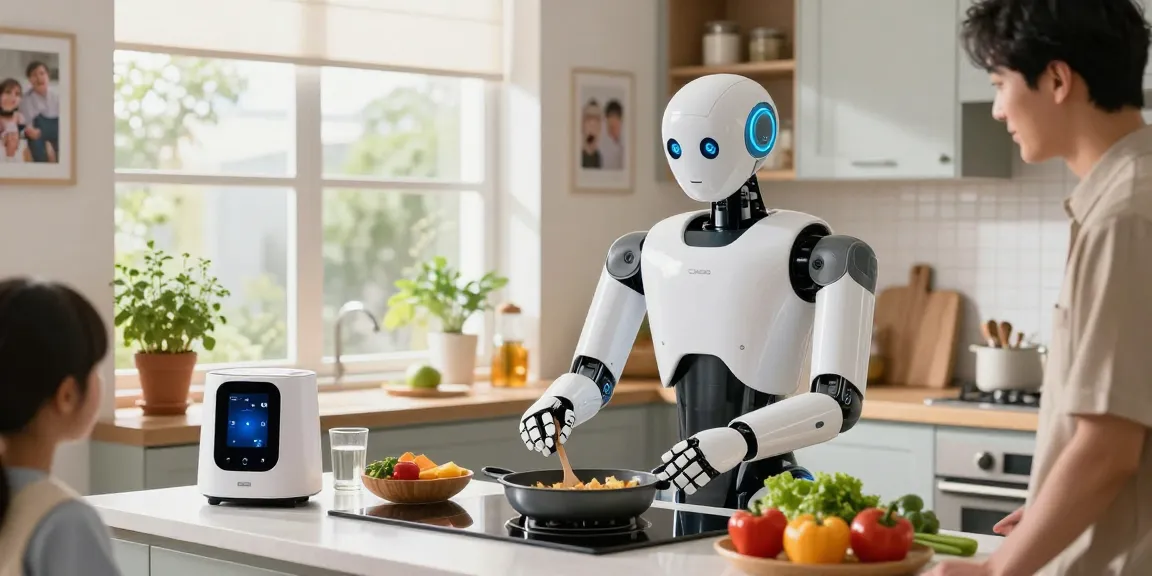
The emergence of home robots has transformed from a futuristic concept to a practical reality in recent years. As we step into 2026, the integration of advanced robotics into everyday life is becoming more commonplace. Today’s home robots are no longer confined to basic tasks like vacuuming; they are evolving into sophisticated assistants capable of autonomously managing various household responsibilities. With advancements in artificial intelligence (AI), machine learning, and robotics, these devices are becoming more user-friendly and efficient. When exploring options, home robot 2026 offers comprehensive insights into the latest developments in automated living.
What are Home Robots?
Home robots are automated devices designed to assist with household tasks, ranging from cleaning and cooking to providing companionship and security. These robots harness cutting-edge technology to operate independently or semi-independently, making daily chores less labor-intensive. With the definition of home robots evolving, we can now categorize them into several types, including:
- Cleaning Robots: Such as robotic vacuum cleaners and floor moppers that automate the cleaning process.
- Service Robots: These robots help with tasks such as cooking, grocery delivery, and even serving food.
- Humanoid Robots: Designed to mimic human interaction, these robots can assist with various tasks and provide companionship.
- Security Robots: Focused on enhancing home security through video surveillance and alarm systems.
Key Technologies Driving Innovations
The advancements in home robotics are backed by several key technologies that enhance their functionality and usability:
- Artificial Intelligence: AI algorithms help robots understand and learn from their environments, enabling them to perform complex tasks with precision.
- Machine Learning: This technology allows robots to improve their performance over time through experience and data analysis.
- Computer Vision: Robots equipped with cameras can recognize objects, navigate spaces, and interact with users in a more natural manner.
- Natural Language Processing (NLP): NLP allows robots to understand and converse with humans, creating a more interactive experience.
Leading Home Robots to Watch in 2026
NEO: Your Personal Assistant
The NEO home robot stands out in the 2026 lineup as an innovative personal assistant. Manufactured by 1X, NEO is designed to handle various household tasks, from cleaning to meal preparation. Its AI-driven interface learns user preferences, offering tailored solutions that enhance comfort and efficiency. NEO’s integration with smart home systems allows it to communicate with other devices, making it a central hub for home automation.
LG’s CLOiD: The Future of Chores
Another notable contender is LG’s CLOiD, a robot that aims to revolutionize household chores. Debuting at CES 2026, CLOiD is equipped with advanced AI, enabling it to perform tasks such as laundry, dishwashing, and even grocery shopping. Its ability to adapt to various home environments makes CLOiD a versatile addition to any household. With zero labor demands from homeowners, this robot symbolizes a significant leap in home automation.
Comparative Analysis of Top Robots
The competition between these leading home robots illustrates the rapid advancements in this field. NEO excels in personal interaction and adaptability, while CLOiD focuses on comprehensive household management. Both robots incorporate state-of-the-art technologies, ensuring they meet the diverse needs of modern families. Their performance and reliability will likely set the standard for future models that follow in 2026 and beyond.
Benefits of Integrating Home Robots into Daily Life
Time Savings and Convenience
One of the primary advantages of adopting home robots is the significant time savings they offer. By automating routine tasks, families can reclaim hours each week for leisure and quality time. For instance, a robotic vacuum cleaner can maintain floors, allowing homeowners to focus on other priorities.
Enhanced Family Interaction
With chores delegated to robots, families can spend more time together, engaging in meaningful activities. Home robots can also facilitate communication among family members through integrated messaging or reminders, contributing to a more connected household.
Improvement of Home Security
Home robots play an essential role in enhancing security through surveillance and emergency response. Robots equipped with cameras can monitor property boundaries and alert homeowners to unusual activity, providing peace of mind and security.
Challenges and Considerations for Home Robot Adoption
Cost and Economic Viability
While the benefits of home robots are compelling, their cost remains a significant barrier for many consumers. High-quality models can range from several thousand to tens of thousands of dollars, prompting potential buyers to weigh their long-term value against upfront expenses.
Privacy and Data Security Concerns
As with any connected device, privacy and data security are paramount considerations. Home robots often collect data to optimize performance, raising questions about data protection and user privacy. Ensuring robust security measures are in place is critical to gaining consumer trust.
Adapting Homes for Robot Integration
Not all homes are designed with robots in mind. Adapting living spaces for optimal robot functionality may require renovations or modifications, which could deter potential adopters. Understanding the requirements for effective robot integration is crucial for a seamless experience.
The Future of Home Robotics Beyond 2026
Trends and Predictions in Home Automation
Looking ahead, experts predict that home robots will become increasingly integrated into everyday life. Innovations in AI and robotics will continue to drive the development of more intelligent and versatile machines, capable of managing an ever-wider array of tasks within the home.
Robots in Multi-Functional Roles
Future home robots are expected to exceed their current specialized roles. As technology evolves, we may see robots that can perform multiple functions, from cooking and cleaning to companionship and care for elderly residents. This evolution will further blur the lines between domestic helpers and family members.
Expert Insights on Future Innovations
Insights from industry leaders indicate that as robotics technology matures, we can anticipate breakthroughs that enhance robot capabilities, making them more intuitive and user-friendly. The collaboration between tech companies and manufacturers will likely create a robust ecosystem, fostering innovations that exceed consumer expectations.
About the Author